Wordful: Word Connect Game
AERO ISLE INCWord
4.55.15K Reviews
- Version
- 8.3.11
- Installs
- 500.00K
- Age Rating
- Everyone
Screenshots
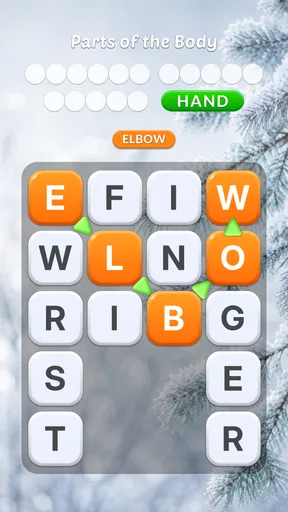
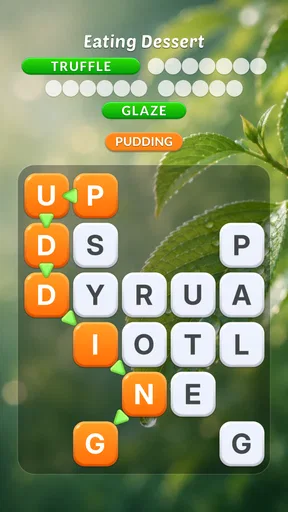
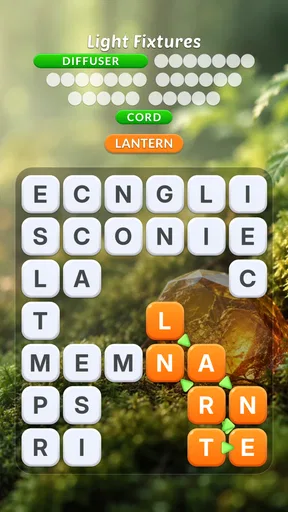
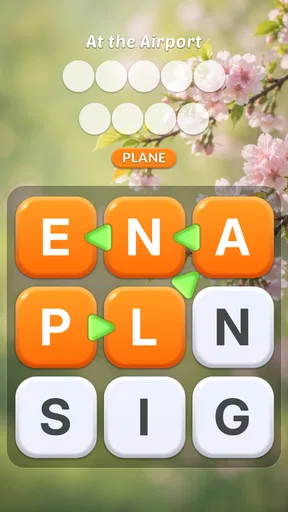
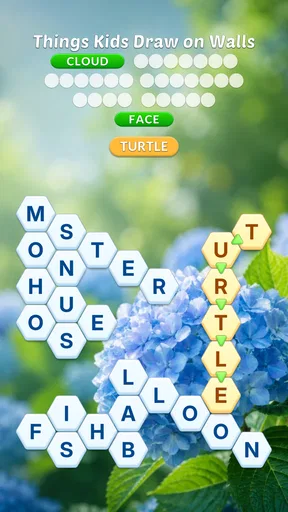
Our Review of Wordful: Word Connect Game
 Analysis by Appyee
I picked up Wordful: Word Connect Game expecting a quiet word puzzle, and that is exactly where it works best. It is a free game from AERO ISLE INC. that turns word finding into a relaxed routine: you connect letters across a board, look in more than one direction, and gradually build answers instead of racing against a clock. The presentation leans toward calm nature scenes, so the overall mood feels closer to a short mental break than to a competitive quiz.
That gentle approach will not suit everyone. If you want timed rounds, head-to-head matches, or a large social layer, this is probably too restrained. I found its appeal in the opposite direction. It gives me a simple task, enough room to think, and a steady way to exercise vocabulary without making every mistake feel important. For commuting, winding down, or filling a few spare minutes, it is an easy game to understand and surprisingly difficult to put down.
How Wordful feels during ordinary play
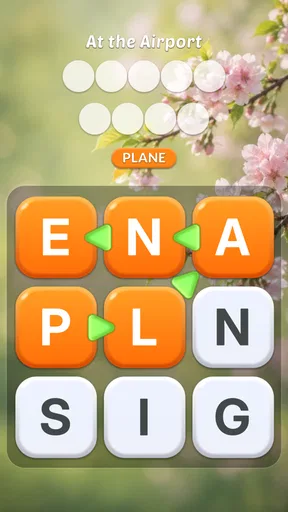
I approach an ordinary session as a small cycle: scan the board, trace a possible word, and see whether the letters connect the way I expected. The useful part is noticing how quickly a first guess can steer my eyes, so I try changing the direction of my search rather than tapping at the same route again. That makes it easier to see why the game’s feedback can feel satisfying, even when a board takes patience.
A calm start with more direction than a usual word search
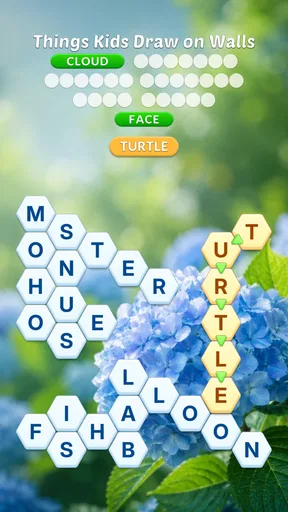
The central idea is familiar, but the board changes how I approach it. Rather than scanning only horizontally and vertically, I have to consider connections in eight directions. That extra movement sounds like a small variation, yet it changes the habit of solving. A word may be visible diagonally, tucked into a route I would normally ignore, or shaped by a turn that is easy to miss when I focus too narrowly.
I like that this creates a useful middle ground. The game is accessible enough for a casual player, but it does not become automatic after the first few rounds. My eyes still need to check the whole arrangement, and I often find myself testing a likely word from several starting points. The best moments come when a word appears only after I stop searching for a familiar straight line and start treating the letters as a connected space.
The nature setting supports that pace. It does not push me to hurry, and the visual atmosphere makes a short session feel less mentally noisy than many alternatives. This is not a game I open for dramatic surprises. I open it when I want a focused activity that remains light enough to put down at any time.
What the free format means in practice
There is no purchase required to begin, which makes trying it straightforward. The game is rated for Everyone, so it is a reasonable choice for households looking for a simple word activity rather than mature themes or complicated controls. Optional in-app purchases range from $0.99 to $99.99 per item, so I would treat the free entry point and the optional spending layer as separate decisions.
My advice is to play normally before considering any purchase. The basic loop is easy to judge within a short session: either the relaxed search feels satisfying or it does not. Spending will not change the fact that the game is built around patient observation. If you prefer a completely purchase-free experience, check how comfortable you are with the available prompts or progression before committing money.
The public response suggests that the concept has found a substantial audience. It holds an average rating of 4.5 from around 20K ratings, with roughly 5.1K written reviews, and it has passed 500K installs. I read those figures as evidence of broad appeal rather than a guarantee that every player will enjoy the same pace. Word games are personal: one person sees a soothing routine, while another sees a board that moves too slowly.
Speed expectations: quick to understand, not designed to rush
From a performance point of view, I would describe the experience as lightweight in feel. The game does not present itself as a visually demanding action title, and its word-board format naturally keeps the focus on readable letters and simple interaction. That makes it a good candidate for short sessions when I do not want my phone to become a second source of stimulation.
There is an important distinction between responsiveness and pace here. A word puzzle can react promptly to a touch while still feeling slow because the solving process is deliberate. Wordful belongs in that category. The board is meant to be examined, not cleared through frantic tapping. If you are judging it against a fast arcade game, it may seem unhurried even when the interaction itself feels direct.
I also appreciate that its relaxed structure gives me time to recover from a wrong assumption. When I lock onto one possible answer, the eight-direction layout encourages me to step back and inspect the surrounding letters. That makes the game useful for attention training, especially when I have been switching between tasks and need something focused but not demanding.
Heavy-use moments: where concentration matters more than hardware
The most demanding part of a session is not visual complexity; it is mental repetition. After several boards, I can feel myself relying on the same search pattern, usually checking obvious horizontal paths first. That is when mistakes become more likely. A practical trick is to change the order of inspection: begin with diagonals, then look for unusual letter combinations, and only afterward return to the most obvious routes.
This approach does two things. It reduces the chance that I will overlook a word simply because it does not match my first scanning habit, and it keeps longer sessions from becoming a dull loop. I also find it helpful to pause for a few seconds instead of repeatedly dragging or tapping at the same suspected route. A brief reset often reveals the answer faster than forcing the same idea.
For everyday use, the game fits naturally into waiting-room time or a quiet evening. A realistic example is a short commute: I can play a board, stop when I reach my destination, and return later without needing to remember a complicated story or control scheme. It also works during a coffee break because the activity has a clear stopping point. I would not choose it when I need intense stimulation or a strong sense of achievement every minute.
Reliability and recovery after interruptions
Word games benefit from simple recovery because their value is often in convenience. If I am interrupted by a message, a conversation, or the need to put the phone away, I want to return without rebuilding a whole mental state. Wordful’s straightforward board-based format is well suited to that kind of stop-and-start use. There is no elaborate control system to relearn, and the objective remains immediately clear when I look back at the screen.
That does not mean every interruption is equally harmless. When I leave a puzzle halfway through, I may forget which letter path I had been testing. My workaround is to finish a board before switching tasks whenever possible, or to take a quick mental note of the word fragment I was following. This is a small habit, but it makes the game feel more dependable during fragmented sessions.
The long-running presence of the game also matters to me. It was released on June 29, 2016, and the current version is 8.3.11. I would not interpret longevity as proof that every device will behave identically, but it does make the game feel like an established word-puzzle option rather than a brand-new experiment. The developer is AERO ISLE INC., and the continued version history gives the title a more settled impression.
For a user deciding whether to install it, the key question is not whether the game offers the most elaborate recovery system in the category. It is whether the basic activity is simple enough that an interruption does not ruin the session. In my experience, the answer is generally yes, provided I treat it as a casual puzzle rather than a long, uninterrupted campaign.
Device constraints and practical expectations
The listed minimum operating-system requirement is Android 7.0. That is useful if you are checking an older phone before downloading, although compatibility is only one part of the decision. Screen size, touch accuracy, and general phone condition can affect how comfortable a letter puzzle feels. On a small or aging display, the main issue is likely to be reading and selecting paths comfortably rather than rendering a complex scene.
I would be cautious about recommending it to someone whose phone is already struggling with storage or background slowdowns, not because the word-board concept appears demanding, but because any game can become frustrating when the device itself is unreliable. Close unnecessary apps if the phone feels sluggish, and make sure the screen responds consistently before blaming the puzzle. Those are ordinary steps, but they matter more here because the game depends on precise, relaxed attention.
Battery expectations should also be kept realistic. This is not the kind of title I choose for graphics-heavy entertainment, and its calm puzzle format suggests a modest workload compared with action games. Still, I would avoid promising a specific battery result across different phones. Brightness, other running apps, battery health, and operating-system behavior can matter more than the puzzle itself.
The game is available free of charge, which lowers the risk of testing it on a compatible device. I would download it first, play enough rounds to see whether the letter size and touch response suit me, and only then decide whether the optional purchase structure is worth exploring. That order is especially sensible for older phones, where comfort can depend on the individual screen more than on the game’s category.
Useful habits for solving more consistently
My first practical tip is to stop treating every board as a standard word search. Because connections can run in eight directions, I look for the less natural routes before assuming that the answer must be straight. Diagonal scanning is particularly easy to neglect when I am tired, so deliberately checking it early has improved my solving rhythm.
My second tip is to use a two-pass method. On the first pass, I search for obvious fragments and likely word openings without committing too quickly. On the second, I trace possible routes carefully and check whether the letters actually connect in the required direction. This prevents a common mistake: seeing a familiar word in scattered letters and mentally filling in a path that the board does not support.
My third tip is to use the game as a short reset rather than an endless challenge. Ten focused minutes can be more enjoyable than continuing after attention has faded. Once I begin tapping randomly or repeating the same scan, I stop gaining the mental benefit that attracted me in the first place. The calm presentation makes it tempting to continue, but a deliberate stopping point keeps the experience fresh.
There is also a useful vocabulary trade-off. Players who already know many common words may move quickly through familiar patterns, while learners can use the boards to notice less obvious combinations and spelling shapes. It is not a replacement for structured language study, but it can complement that habit by making word recognition active instead of passive.
Where it beats familiar alternatives
Compared with a traditional crossword, Wordful asks less from memory and more from visual searching. I do not need to solve a clue, interpret a definition, and write an answer into a grid. That makes it friendlier when I want a low-pressure activity. The trade-off is that it may feel less rewarding if I enjoy wordplay, trivia, or the satisfaction of constructing an answer from a clever clue.
Compared with a standard straight-line word search, the eight-direction movement gives this game more variety. I cannot rely on scanning only across and down, so the board demands a broader visual sweep. On the other hand, players who prefer a predictable, almost meditative pattern may find the extra directions less comfortable at first.
Compared with competitive word games, it is much less socially driven. There is no reason to choose it if your main motivation is beating friends, climbing a leaderboard, or reacting to a timer. Its strength is private concentration. I see it as a companion to those faster alternatives, not a direct substitute for them.
Who should play, and who should skip it
I would recommend it to anyone who enjoys word puzzles but wants a gentler pace. It is particularly suitable for casual players, families looking for an Everyone-rated game, and people who like activities that can be paused without losing a complicated chain of events. It is also a good fit for players who enjoy spotting patterns and are willing to adjust their search method when the board hides a word diagonally or along another less obvious route.
I would skip it if you need constant novelty, deep narrative, multiplayer competition, or a strong sense of progression in every session. I would also hesitate to suggest it to someone who dislikes visual scanning. The core challenge remains finding connected words, so no amount of scenic presentation changes the fundamental activity.
Players who want to improve vocabulary in a formal, measurable way may prefer a dedicated learning app. Wordful can support attention and recognition, but its main purpose is entertainment. Likewise, someone looking for the fastest possible mental challenge may be happier with a timed anagram game. The right choice depends on whether calm observation or pressure makes you want to keep playing.
Performance verdict: a dependable small puzzle for quiet moments
My overall impression is that Wordful succeeds by keeping its ambitions focused. It offers a clear word-game loop, a peaceful setting, and enough directional variety to prevent the usual search pattern from becoming completely automatic. Its perceived performance is best understood through that simplicity: it feels suited to modest, repeated sessions rather than demanding visual spectacle or extended competitive play.
The main friction is also clear. The peaceful pace can feel too slow, the board may become mentally repetitive during long sessions, and the optional purchase range means I would pay attention before spending. Older devices should be checked against the Android 7.0 minimum, and players with small screens should make sure selecting letter paths feels comfortable. These are not deal-breakers for me, but they define the audience.
After trying it as both a quick break and a longer word session, I would recommend it to a friend who wants a free, low-pressure puzzle that rewards careful scanning. I would describe it honestly as a relaxed word search with a broader movement system, not as a competitive brain-training replacement. If that sounds appealing, it is worth installing and testing without spending anything first. Its best quality is the balance between easy access and just enough visual challenge to keep a quiet moment engaging.
For me, the final decision comes down to mood. When I want speed, rivalry, or a demanding puzzle, I reach for another kind of game. When I want to slow down, inspect a board, and let my attention settle, this is where Wordful fits. That specific use case is modest, but it is useful—and the game understands it well.
Verdict
Strengths of Wordful: Word Connect Game
- Simple controls make it easy to start playing immediately.
- Short levels are convenient for quick breaks or casual sessions.
- Word puzzles can help improve spelling and vocabulary recognition.
- Offline play makes it useful when you have no internet connection.
- Gradually harder challenges keep the gameplay engaging over time.
Limitations of Wordful: Word Connect Game
- Some puzzles may feel repetitive after extended play sessions.
- Hints can become limited, encouraging optional purchases or waiting.
- Difficulty may vary unevenly between consecutive levels.
- Ads may interrupt gameplay, especially between completed puzzles.
- Players seeking competitive multiplayer features may find the experience limited.
Similar Picks in This Category
View All
Word Search - Word Puzzle Game
Bluetile4.8

Word Search Quest - Puzzles
Blackout Lab4.8

CodyCross: Crossword Puzzles
Fanatee, Inc.4.7

Words of Wonders: Crossword
Fugo Games4.9

Wordscapes: Word puzzle game
PeopleFun4.7

Word Search Explorer
PlaySimple Games4.9
Frequently Asked Questions
What is Wordful: Word Connect Game?
Wordful: Word Connect Game is a casual word puzzle app based on connecting letters to form words. The game presents short, accessible levels that can be played at your own pace, making it suitable for quick breaks or longer sessions. As you progress, puzzles generally become more challenging and require a broader vocabulary, careful observation, and occasional creative thinking.
How does the gameplay in Wordful work?
The main gameplay revolves around arranging or connecting available letters to discover the words hidden in each puzzle. You usually swipe across letters or tap them in the correct order, depending on the level design. Completed words help you advance, while bonus words and optional challenges can provide extra rewards. The controls are simple, but later stages can demand patience and experimentation.
Can Wordful: Word Connect Game be played offline?
Many word puzzle levels can typically be enjoyed without a constant internet connection, which is convenient when traveling or when mobile data is limited. However, certain features may still require internet access, including advertisements, cloud synchronization, special events, leaderboards, in-app purchases, or updated content. It is best to open the game online first and check which functions remain available offline on your device.
Is Wordful free to download and play?
Wordful: Word Connect Game is generally available as a free download, allowing players to begin solving puzzles without paying upfront. Like many free-to-play puzzle games, it may include advertising and optional in-app purchases for hints, coins, extra lives, or other conveniences. You can usually progress without spending money, although purchases may make difficult levels or extended sessions more comfortable.
Is Wordful suitable for children and beginners?
Wordful is approachable for beginners because its basic controls are easy to understand and the early puzzles usually introduce the mechanics gradually. It can also support vocabulary practice and casual mental exercise. Nevertheless, difficulty varies by level, and younger players may encounter unfamiliar words or advertising. Parents should review the app’s age rating, privacy information, and purchase settings before allowing children to play.
Play our best games!


